Wild and Free Embroidery Design Review
A First Look at Wild and Free
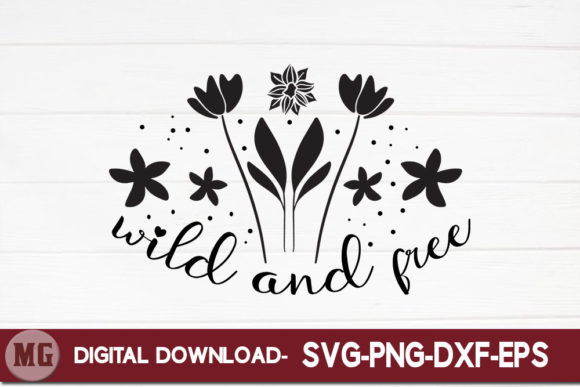
When I first opened the Wild and Free embroidery design file, I was immediately drawn to its organic flow and soft aesthetic. The wildflower theme is beautifully rendered with a mix of delicate outlines and subtle fills that give it a hand-drawn feel. It's not overly detailed, which makes it versatile for a variety of projects, but it still has enough character to stand out on fabric.
The mood this design creates is peaceful and free-spirited—perfect for items like tote bags, baby clothes, or even a personalized sweatshirt. The layout is balanced and centered, which gives it a sense of calm. I can see how it would work well as an embroidered patch or as part of a larger applique design on a pillow cover or apron.
How Wild and Free Performs in Real Projects
As an experienced designer, I tested Wild and Free on a few different surfaces to see how it would stitch up. On a standard cotton t-shirt, the design stitched cleanly with minimal distortion. The lines were crisp, and the fill areas had just the right amount of density to avoid looking too heavy or too sparse.
I also tried it on a woven tote bag, and the results were impressive. The texture of the fabric didn't interfere with the stitching, and the design held its shape well. For a custom apparel project like a sweatshirt or baby onesie, I’d recommend using a stabilizer to ensure the fabric doesn’t stretch under the weight of the stitches.
If you're thinking about using this design for a holiday gift or a boutique product, it would work especially well on a tea towel or kitchen apron. The soft, floral imagery adds a touch of charm without being too busy. It’s also a great option for a handmade product that needs to look both personal and professional.
Where to Use Wild and Free with Caution
While Wild and Free is a versatile design, there are some situations where it might not perform as well. For instance, if you’re working with very small hoop sizes, the fine details may get lost or distorted during the embroidery process. It’s best suited for medium to large hoops to maintain clarity and definition.
On stretchy fabrics like knits or jerseys, the design could pull slightly unless you use a proper stabilizer. Thin or textured fabrics might also pose a challenge, so testing it on scrap fabric before committing to a final project is always a good idea. If you plan to use it on dark-colored garments, make sure the thread colors have enough contrast to stand out clearly.
For products that need frequent washing, such as children’s clothing or reusable tote bags, the stitch density should be reviewed carefully. A higher stitch count may be needed to prevent fraying over time, depending on the fabric type and intended use.
Design Impact and Practical Considerations
Wild and Free has a strong visual appeal that enhances the overall look of any finished product. It adds a natural, whimsical element that can elevate the value of handmade items, especially for Etsy sellers or small shop owners looking to create unique, branded merchandise.
From a customer perspective, the design feels approachable and trustworthy. It’s the kind of image that resonates with people who appreciate nature-inspired aesthetics. Whether used as a personalized gift or as part of a commercial embroidery project, it contributes to a polished, professional presentation.
For those selling digital embroidery files or printable mockups, Wild and Free offers good flexibility. It can be adapted for different applications, from a simple embroidered patch to a more complex design on a custom sweatshirt. Just be sure to check licensing terms before offering it for sale as part of a digital product bundle.
Embroidery Designer Notes
Before using Wild and Free in a real project, here are a few practical steps to consider:
- Test on scrap fabric: Always test the design on a similar fabric before starting your final project.
- Check thread color contrast: Ensure the chosen thread colors provide enough visibility against the fabric background.
- Review stitch density: Adjust the stitch density based on the fabric type and desired outcome.
- Confirm hoop size: Use a hoop that allows the entire design to fit comfortably without stretching.
- Inspect small details: Make sure all elements of the design are clear and well-defined after stitching.
- Use proper stabilizer: Especially important for stretchy or thin fabrics to prevent puckering.
- Test in black and white mockups: This helps assess how the design will look on different fabric backgrounds.
- Confirm licensing: Always verify whether the design can be used for commercial purposes before selling finished items or digital assets.
Wild and Free is a thoughtful addition to any embroidery collection. Its gentle, natural style makes it ideal for a wide range of creative projects—from custom apparel to boutique branding. With careful planning and attention to detail, it can become a standout feature in your next handmade or commercial design endeavor.