Mono Hand Made Number 1 Review for Embroidery Projects
First Impressions: A Simple Statement with Depth
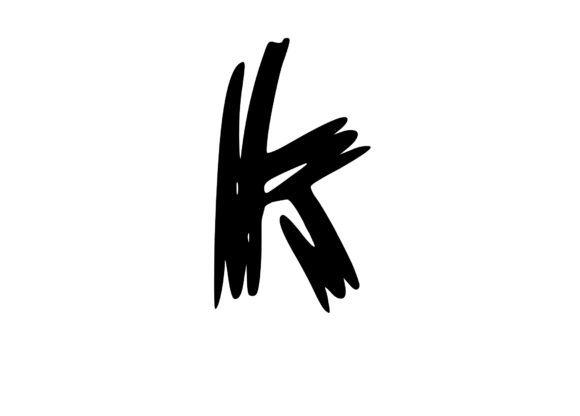
When I first opened the Mono Hand Made Number 1 SVG file, I was struck by its clean lines and minimalist approach. This design feels like a quiet statement—something that doesn't shout but still commands attention. The single number is rendered with a handcrafted touch, giving it a sense of authenticity that's hard to replicate with automated tools.
The mood it creates is both professional and personal. It’s the kind of design that could easily fit into a boutique branding project or serve as a personalized gift. The shape is bold enough to stand out on a tote bag or cap, yet subtle enough to complement more intricate embroidery work around it.
Real-Life Scenario: Custom Embroidered Tote Bag
Imagine preparing a custom embroidered tote bag for a small shop or Etsy listing. The Mono Hand Made Number 1 would be perfect for a customer who wants something understated but meaningful. I can see this design being used as a monogram for a name, a lucky number, or even a boutique logo.
On a tote bag, the number would sit well in the center or corner, especially if paired with complementary stitching techniques like satin stitch for the outline and running stitch for the interior. It has the potential to elevate a simple fabric piece into a finished product that feels both handmade and professional.
However, I would test it on scrap fabric first. Checking thread color contrast is essential, especially if the final product will be on dark fabric. A white or light-colored thread might not pop as well as a darker shade, depending on the background.
Performance in Real Embroidery Situations
The Mono Hand Made Number 1 performs well in a variety of embroidery applications. It works beautifully on custom apparel like sweatshirts, t-shirts, and caps. Its simplicity makes it ideal for baby clothes, where minimalistic designs are often preferred. It also translates well to patches, aprons, pillow covers, and tea towels.
For holiday gifts or wedding presents, this design can add a personal touch without overwhelming the overall look. When used on nursery decor or blankets, it can create a warm, inviting feel. It’s also suitable for commercial embroidery projects, provided the licensing allows for such use.
One thing to note is that the design may need some adjustment when applied to curved surfaces like caps or mugs. Ensuring proper hoop size and stabilizer use is key to achieving crisp, clear stitches in these cases.
Where to Use with Caution
While the Mono Hand Made Number 1 is versatile, there are situations where it should be used carefully. On small hoop sizes, the details might get lost, so it’s best to check the design dimensions before proceeding. Textured fabrics or thin materials may require additional stabilizer to prevent puckering.
Stretchy fabrics like knits or jerseys can cause distortion unless the right backing is used. Dark fabric backgrounds may also challenge the visibility of the design, so testing different thread colors is crucial. If the design is part of a larger embroidery project, ensuring that stitch density doesn’t interfere with other elements is important for visual harmony.
Visual Appeal and Professional Impact
The Mono Hand Made Number 1 contributes significantly to the visual appeal of any product it adorns. It adds a sense of craftsmanship and intentionality, which is especially valuable for handmade products and personalized gifts. For Etsy sellers or craft business owners, using this design can help establish brand consistency and professionalism.
It enhances the value of the finished product by making it feel unique and thoughtfully made. Customers are more likely to trust and appreciate items that have a clear, elegant design element like this one. It also helps with buyer engagement, especially when used in printable mockups or digital product previews.
Practical Embroidery Designer Notes
Before using the Mono Hand Made Number 1 in a real project, I recommend the following steps:
- Test on scrap fabric: Always do a trial run to see how the design looks and feels on your chosen material.
- Check thread color contrast: Ensure the thread color stands out against the fabric background.
- Review stitch density: Adjust if necessary to avoid overcrowding or leaving gaps.
- Confirm hoop size: Make sure the design fits comfortably within your hoop without stretching.
- Inspect small details: Look closely at the SVG to ensure all parts of the design translate well to stitch.
- Test in black and white mockups: This helps visualize how the design will look on different fabric tones.
- Use proper stabilizer: Especially important for stretchy or thin fabrics to maintain shape and clarity.
- Check licensing terms: Confirm whether the design can be used for both personal and commercial projects before selling finished items or digital assets.
By taking these steps, you can ensure that the Mono Hand Made Number 1 becomes a reliable and valuable asset in your embroidery repertoire, whether for a personal project or a small shop product.